Football Idols: Icons with a Responsibility?
The idols of football embody more than athletic prowess, balancing admiration, responsibility, and public expectations. Explore the complexities of their roles both on and off the pitch.

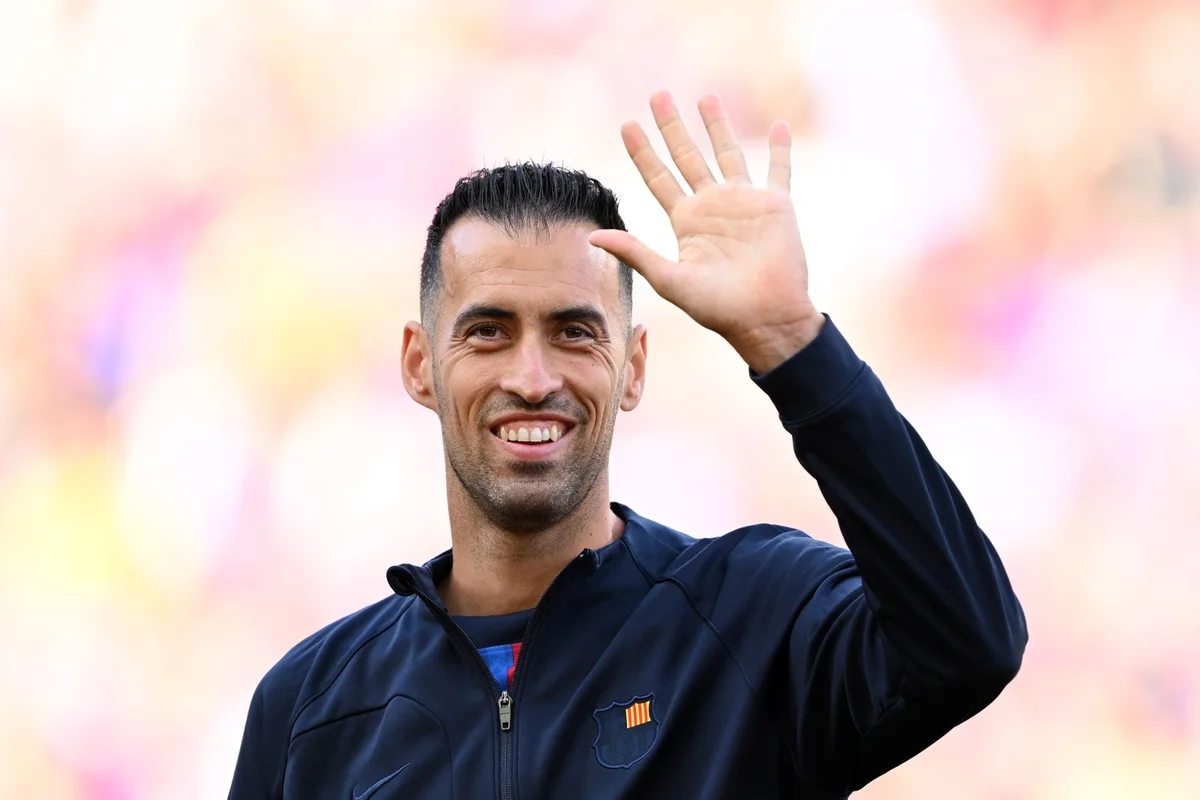
The moment a goal is scored is unforgettable. The euphoria, the roar of the crowd, and the entire stadium vibrating with excitement transform the player from mere athlete to something more—a hero.

We marvel at the dedication exhibited by athletes like Erling Haaland and Cristiano Ronaldo. They invest everything: time, money, and energy. Employing chefs, physiotherapists, and nutrition experts, they train both body and mind, leaving little to chance. It’s no surprise that a FanQ survey revealed 79.6% of fans in Germany consider them role models. This admiration is what fuels their worship.
However, the narrative shifts dramatically once the celebrations fade; the human behind the athlete becomes apparent. Flaws, mistakes, and personal struggles emerge, leading to a dilemma. It mirrors what football analysts often discuss: first, the game analysis, followed by deeper, more uncomfortable questions.
The Human Burden: Under the Microscope of Fame
Fans expect these footballers to perform flawlessly week after week, demanding a moral clarity that is often absent even in politics. The burden is immense, especially for national players who are scrutinized as if they must embody a societal conscience.
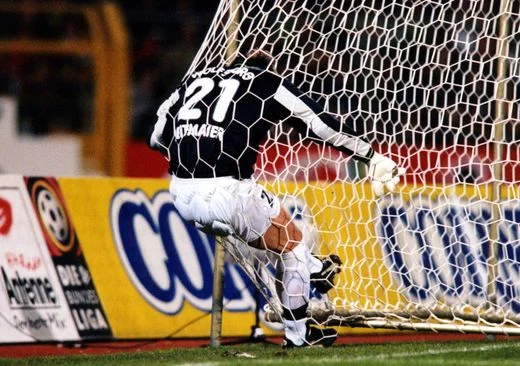
When a star stumbles—be it a DUI incident reminiscent of Diego or a private scandal sensationalized by the media—it is often viewed through a larger lens. Such errors are not merely personal failings; they become symbols of a broader system. The psychological pressures are genuine: consider the attack on the BVB bus. The expectation for the team to continue playing shortly after was a psychological misstep, yet it was demanded. This illustrates the contradictory expectations placed on professionals, who are required to endure what no human should. This is the tragedy of fame.
Responsibility in the Grey Area: Between Help and Stance
What responsibility should players bear? Do we want them to be heroes off the pitch, or is it sufficient for them to excel in football? Opinions among fans are divided. According to FanQ, 41.7% view professionals as societal role models, while 35.0% disagree. Players are acutely aware of this conflict. Many realize they sometimes need to wear two faces: one for the pitch and another for the outside world. Conflict and expectation shape their daily lives.
 Toni Kroos has carved out his own path, with his foundation supporting critically ill children, ensuring that every donation reaches its intended recipient without any administrative deductions. This understated approach is often more impactful than grand speeches or interviews. Genuine commitment is frequently found in silence.
The situation changes when players take a stand, as this involves risk. Political statements can be perilous. Take Shon Weissman in 2025, for example. His social media likes related to Gaza sparked outrage among fans and protests, ultimately jeopardizing his transfer to Düsseldorf. This illustrates how the market and fans act as merciless censors, forcing players to navigate a precarious tightrope where a single misstep can have severe consequences. Stance comes with a price.
The Systemic Burden
How much moral perfection can we expect from individuals when the system itself is flawed? The DFB faced legal consequences in the "Summer Fairy Tale" case for tax evasion and lost its charitable status for 2006. Sponsorship from dubious sectors, which fans protest against, has become commonplace. When those at the top make mistakes, it seems hypocritical to demand that young players serve as flawless role models. Double standards permeate the system.
Perhaps true idols are those who direct their responsibility where they can genuinely make a difference: on the pitch and through direct assistance. We should reflect on whether an idol needs to embody everything or if it suffices for them to excel in their sport while remaining honest off the field. This includes acknowledging their imperfections, as therein lies true humanity.
Conclusion on Football Idols
 The idols of football represent more than just athletic prowess; they navigate the delicate balance between admiration, responsibility, and public expectation. The modern athlete is evaluated not only on goals or titles but also on their stance, authenticity, and moral integrity. Yet, this very expectation reveals the contradictions of a society that seeks heroes while simultaneously being unforgiving of human error.
True greatness is not found in flawless perfection but in the ability to remain human amid pressure, criticism, and media scrutiny. When footballers use their voices to take responsibility where they can truly effect change, they embody role model status—authentic, relatable, and free from artifice.