Open Letter Against IOC: Gender Tests Impacting Youth Sports
Researchers from the German Association for Sports Science criticize the IOC's new gender testing policy, urging public support for their open letter. The implications affect not only elite sports but also youth sports.
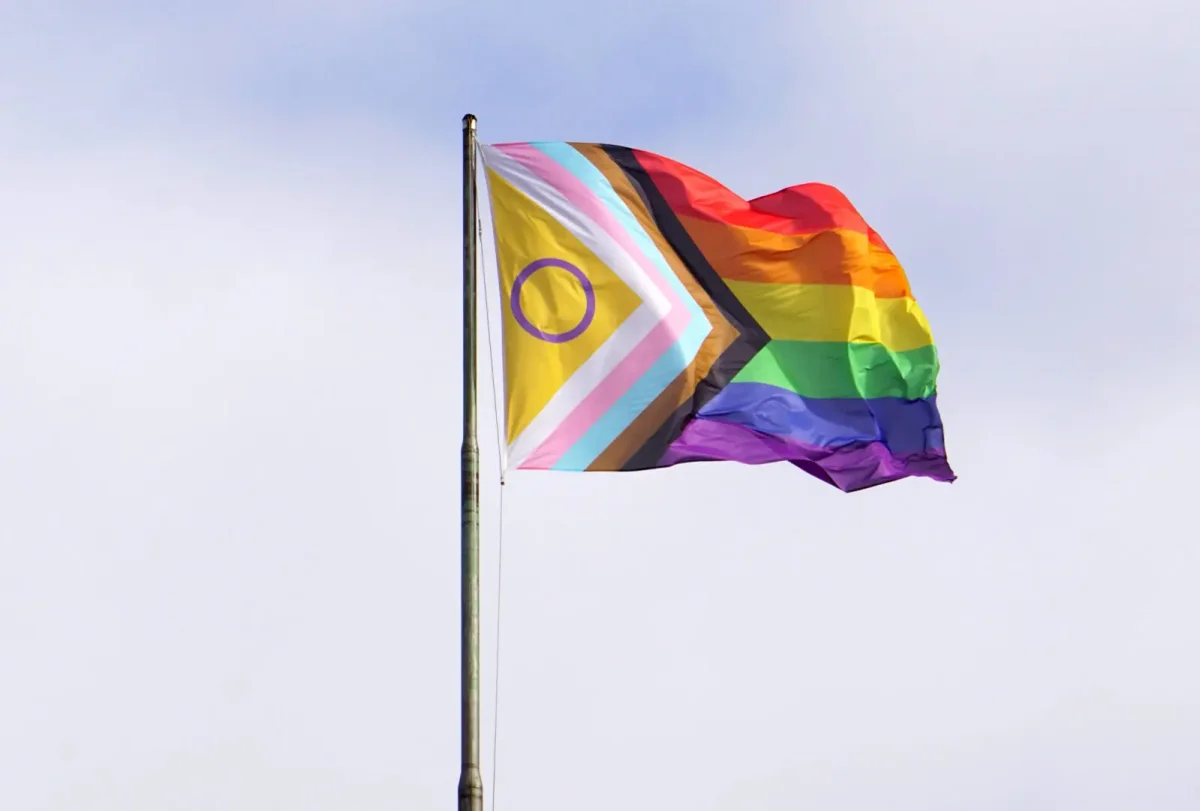
Researchers from the German Association for Sports Science have expressed their concerns in an open letter regarding the IOC's new policy on gender testing, calling for public support for their stance. The implications of this regulation extend beyond elite sports.
The German Association for Sports Science (dvs) has taken a firm position advocating for an inclusive sports environment for all genders. Their open letter addresses the recent announcement by the International Olympic Committee (IOC), led by President Kirsty Coventry, which revealed a new framework on March 26, 2026. This framework mandates gender testing for all female athletes starting from the 2028 Olympic Games in Los Angeles.
Open Letter Available for Signature
The complete open letter can be found online, and individuals are encouraged to sign it via openPetition. Among the initial signatories is Karolin Heckemeyer, who is recognized from episode 53 of the "Becker & Pfeiffer" podcast discussing sports and gender. The letter incorporates scientific references as well as links to statements from other stakeholders and resources aimed at journalists and the general public.
The authors of the letter aim to engage the public in a dialogue about the IOC's policy, seeking input from associations, clubs, and other organizations. They pose a critical question: "How can we create a sporting context where individuals of all genders can participate equally, feel safe, and celebrate achievements?"
Critics of the IOC's new regulation highlight its discriminatory effects and the potential for error in the mandated testing procedures. They also point to the misuse of research and science, as well as the lack of transparency and conflicting scientific evidence regarding the testing process, which is framed within the broader "Safe Sport" discourse.
According to the letter, the new policy effectively excludes trans and inter women from sports, with consequences that extend far beyond elite competition:
"Contrary to Kirsty Coventry's statements during the press conference on March 26, 2026, when the reintroduction of gender tests was announced, the effects of the IOC regulations are not limited to elite sports. They reach much further, as the policy serves as a model for organized sports in general, including grassroots competitions. The IOC itself indicates that athletes should undergo testing early in their careers to make informed decisions about participating in women's category competitions. Therefore, the new regulations will have significant repercussions for competitive sports among children and youth."
The IOC's approach suggests that children and their parents should undergo gender testing before considering participation in sports, relying on an unreliable testing method. The SRY test, mandated by the IOC, was abandoned in 2000 due to ethical and medical criticisms regarding its reliability.
"While the test can confirm the presence of an SRY gene, it does not assess the gene's functionality. The SRY gene is considered a central indicator for the presence of a Y chromosome and, consequently, for the development of male physical characteristics. However, certain inter variants like 46,XY androgen insensitivity or the 47,XXY Klinefelter syndrome can yield positive test results without conforming to normative male physical standards. Moreover, the mere presence of a Y chromosome does not automatically indicate higher testosterone levels or enhanced athletic performance. Thus, the SRY test inappropriately simplifies complex biological relationships and is only partially suitable as a basis for far-reaching exclusion decisions."
The authors also criticize the IOC for citing scientific evidence without referencing the underlying studies, suggesting that the policy primarily legitimizes existing normative frameworks. They argue that the use of the term "Safe Sport" to justify the policy conceals a paternalistic narrative aimed at protecting women, which historically has led to the exclusion of women from sports and now frames trans and inter individuals as threats. The real danger lies in the reliance on an unreliable and invasive testing process, which can provoke public backlash fueled by media.
"Protecting and promoting women in sports should instead focus on addressing structural and financial inequalities in women's sports and systematically remedying them. Since the 1970s, researchers, activists, and athletes have highlighted the significant disparity in societal recognition between so-called women's sports and men's sports. The forms of sexist discrimination associated with this gap are overlooked in current debates about the participation of trans, inter, and non-binary individuals in sports and are exacerbated rather than alleviated by regulations like those of the IOC."
Further Links
For more statements and position papers referenced in the letter, the following links provide additional literature:
- BuNTes Netzwerk des queeren Sports e.V.: Link
- Fédération Internationale de Médicine du Sport (FIMS): Link
- International Consortium on Sex Testing in Sport: Link
- Japan Society for Sport and Gender Studies (JSSGS): Link
- Leapsports: Link
- Queeres Netzwerk NRW & Queeres Netzwerk Niedersachsen: Link
- Sportärztebund Nordrhein e.V.: Link
- UN Human Rights Council: Link
- University of Toronto, Faculty of Kinesiology & Physical Education: Link
Beitragsbild: IMAGO/CHROMORANGE