Clint Eastwood's Unlikely Inspiration: The Legacy of James Cagney
Clint Eastwood reveals his admiration for James Cagney, a 1930s gangster film icon, highlighting the influence of Cagney's bold acting style on his own career.
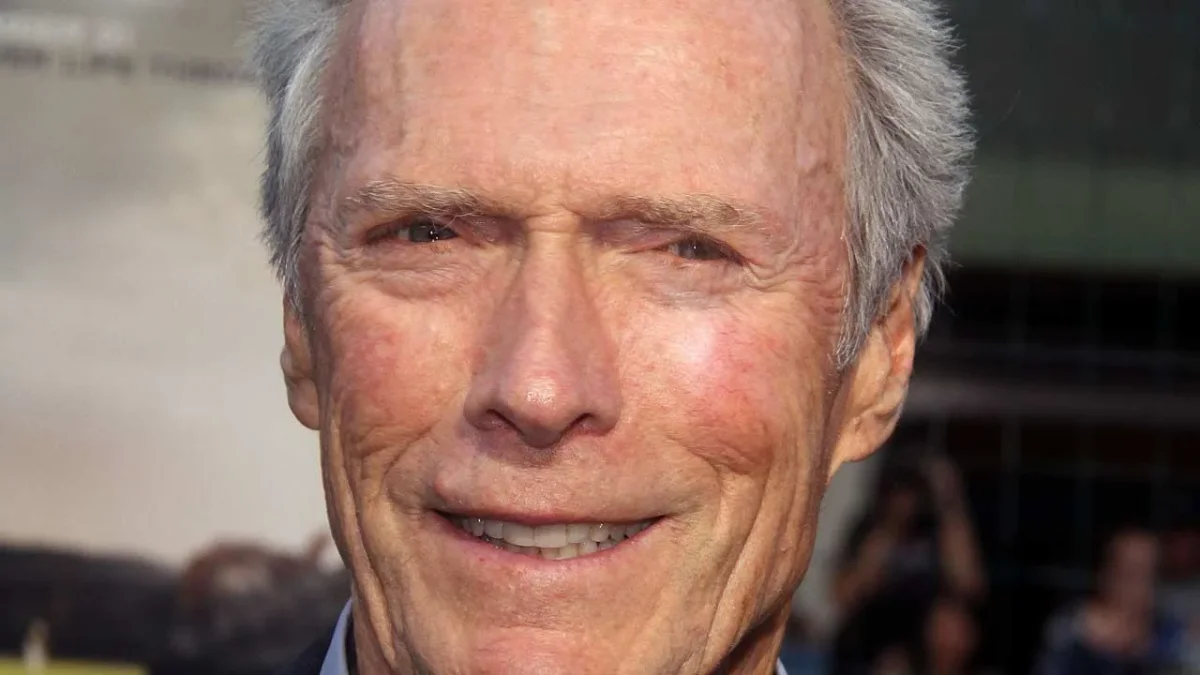
While Clint Eastwood is often associated with the rugged cowboys of American cinema, his true inspiration hails from a different genre altogether. Instead of the iconic John Wayne, Eastwood has long expressed admiration for James Cagney, a defining figure of 1930s gangster films.
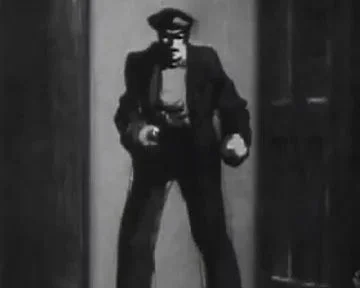
When discussing his influences, many might immediately think of John Wayne, another legendary figure in the western genre. However, Eastwood has consistently pointed to Cagney as his singular role model. In the book Clint Eastwood: Interviews, published in 1999, he reflects on the actor who left a lasting impression on him during his youth.
When asked about any fascination with John Wayne, Eastwood candidly replied, “When I was younger, I liked some of John Wayne’s films, but I have only ever been a fan of one actor: James Cagney.” This admission is striking, considering the distinct worlds each actor represented.
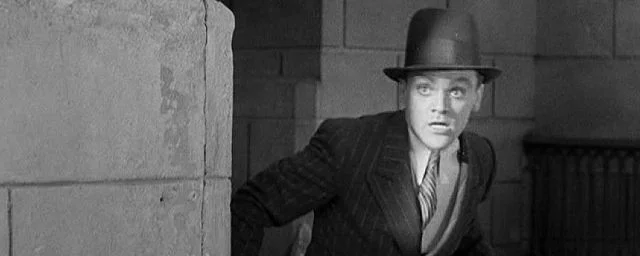
James Cagney, who passed away in 1986, may not be as well-known to younger audiences today, but he was a major Hollywood star during the 1930s. His intense performances, natural charisma, and vibrant energy made him a benchmark in the crime film genre. His filmography includes classics such as Smart Money, The Public Enemy, and Angels with Dirty Faces. The latter film is particularly famous for a memorable scene where Cagney’s character smashes a grapefruit into Mae Clarke's face.
It is this boldness that left a profound impact on Clint Eastwood. He remarked, “He does not act like me at all. When I started as an actor, secretaries would call me Coop because they thought I looked like Gary Cooper. But Cagney... I’ve always loved his style and energy. He was fearless. To talk about his most famous act, smashing a grapefruit in people’s faces, they weren’t afraid to do shocking things. Today, many actors are trapped in their images.”
Behind the Iconic Grapefruit Scene
For many years, the grapefruit scene in The Public Enemy was thought to be an improvisation by Cagney. However, Mae Clarke provided a different perspective in her autobiography. She explained that the idea was actually conceived in collaboration with Cagney and director William A. Wellman. Clarke also revealed her initial opposition to the scene, noting that she felt compelled to go along with it for fear of jeopardizing her career. She further stated that she had not consented to the take being included in the final edit, highlighting the sometimes harsh methods prevalent in Hollywood at the time.
Here’s the scene in question:
An Actor Beyond the Gangster Image
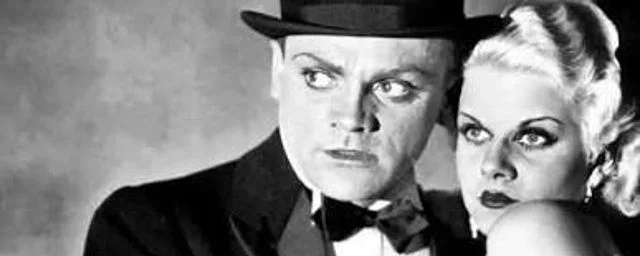
While James Cagney is frequently linked to explosive criminal characters, particularly in White Heat, his career showcased a broader range of talent. He exhibited his versatility in films such as The Roaring Twenties, Yankee Doodle Dandy, and The Strawberry Blonde. This ability to navigate various roles contributed to his status as one of the most respected actors of his era.
Eastwood's Artistic Philosophy
What resonates most with Clint Eastwood about James Cagney is not just his acting prowess, but his audacious spirit. Eastwood sees Cagney as embodying a rare artistic freedom, someone willing to take risks and not be confined by a singular image. This philosophy parallels Eastwood’s own career, which has consistently traversed the realms of acting, directing, and unexpected project choices.
The Public Enemy (1931) is available on VOD.