Artemis III: NASA Reveals Crew for 2027 Test Mission - Space Tales
NASA announced the crew of Artemis III on June 8, 2026. A low Earth orbit test mission in 2027 to validate docking with lunar landers before a future lunar landing.
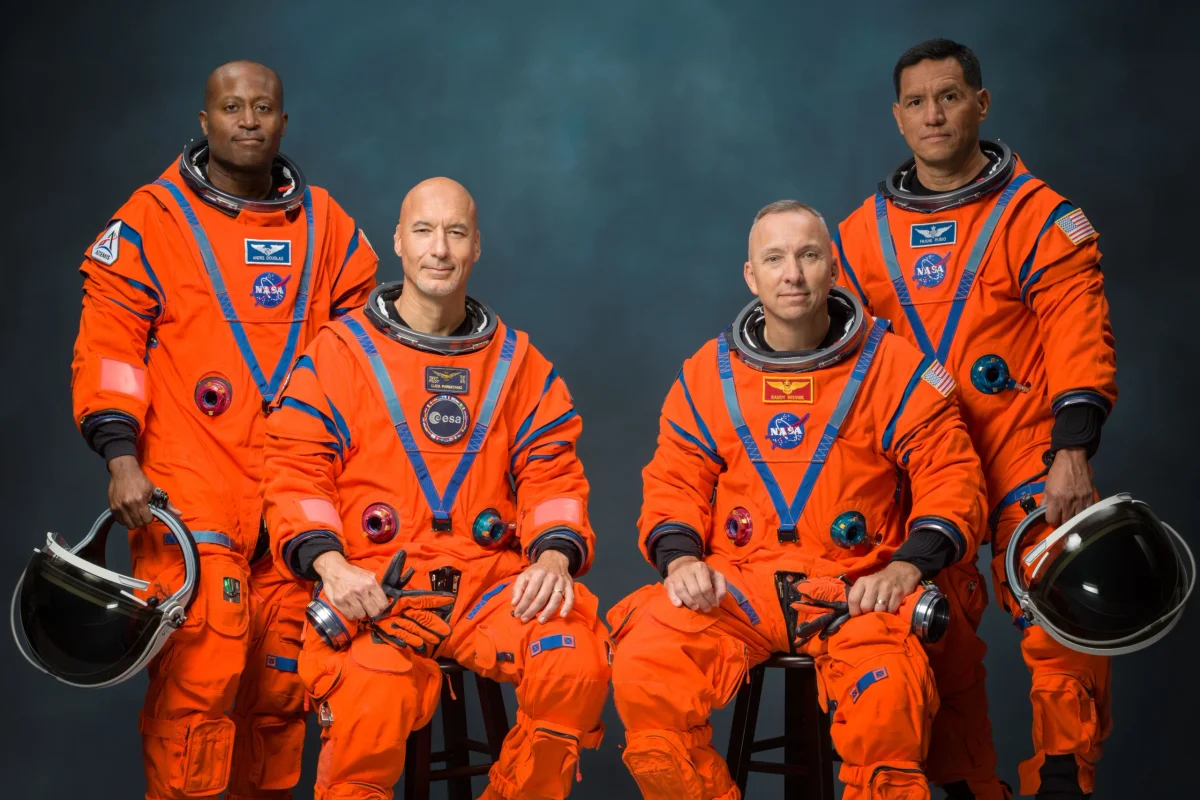
NASA announced the crew of Artemis III on June 8, 2026. These astronauts will not fly to the Moon. Their mission, scheduled for 2027, is a low Earth orbit test to validate the docking of Orion with lunar landers from SpaceX and Blue Origin. This is a crucial step before setting foot on the lunar surface.
April 2026
Artemis II
Successful crewed lunar flyby
June 8, 2026
Crew III
Announcement of the Artemis III crew today
Late 2027
Artemis III
Orbital test, docking with landers
2028
Artemis IV
First targeted lunar landing
Artemis III: What the Mission Really Is
A Test Flight, Not a Lunar Landing
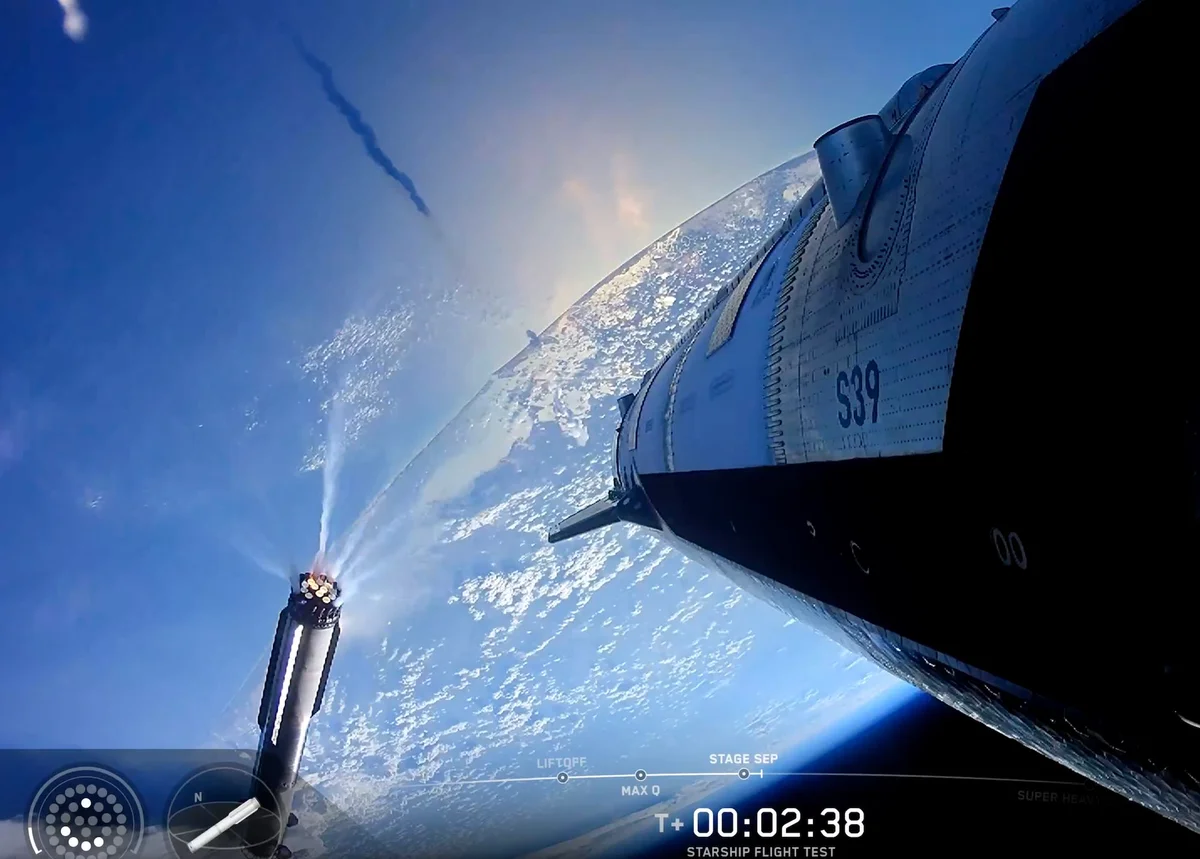
Many still believe that Artemis III will be the mission that lands astronauts on the Moon. This is no longer the case since the program overhaul announced by NASA in February 2026. Artemis III is now a low Earth orbit demonstration flight, aimed at testing the docking of the Orion spacecraft with two commercial lunar landers: SpaceX's Starship HLS and Blue Origin's Blue Moon.
The crew will board Orion, reach low Earth orbit, dock successively with both landers, and validate the procedures that will be used during a future lunar landing. This is a full-scale rehearsal in space, but without leaving Earth orbit.
Why Test Docking Before Going to the Moon?
The Artemis mission profile for lunar landing involves Orion docking with the lunar lander in orbit, two astronauts transferring to it and descending to the surface, then ascending and re-docking with Orion to return to Earth. Each docking is critical. A failure in lunar orbit, 400,000 km from Earth, leaves no margin for error. Validating these procedures in low Earth orbit, where an emergency return is possible within hours, is a basic precaution.
The Artemis III Crew: The Four Named Astronauts
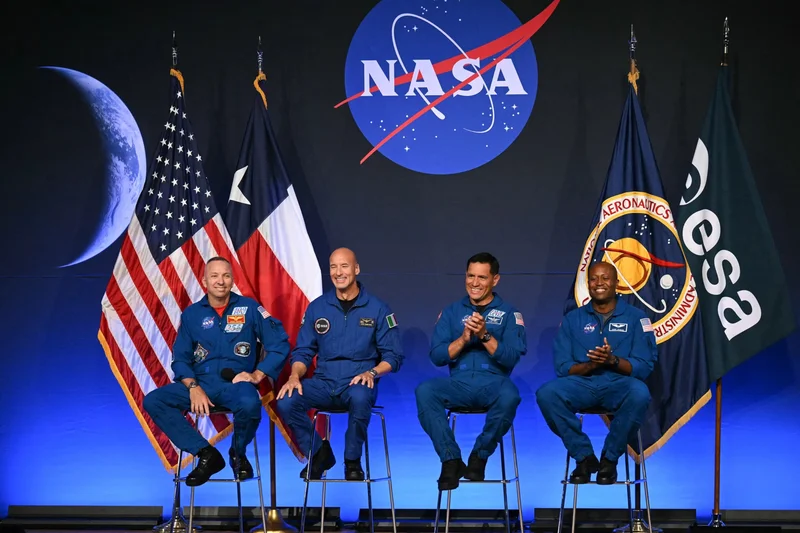
Randy Bresnik, Luca Parmitano, Frank Rubio, and Andre Douglas
🇺🇸
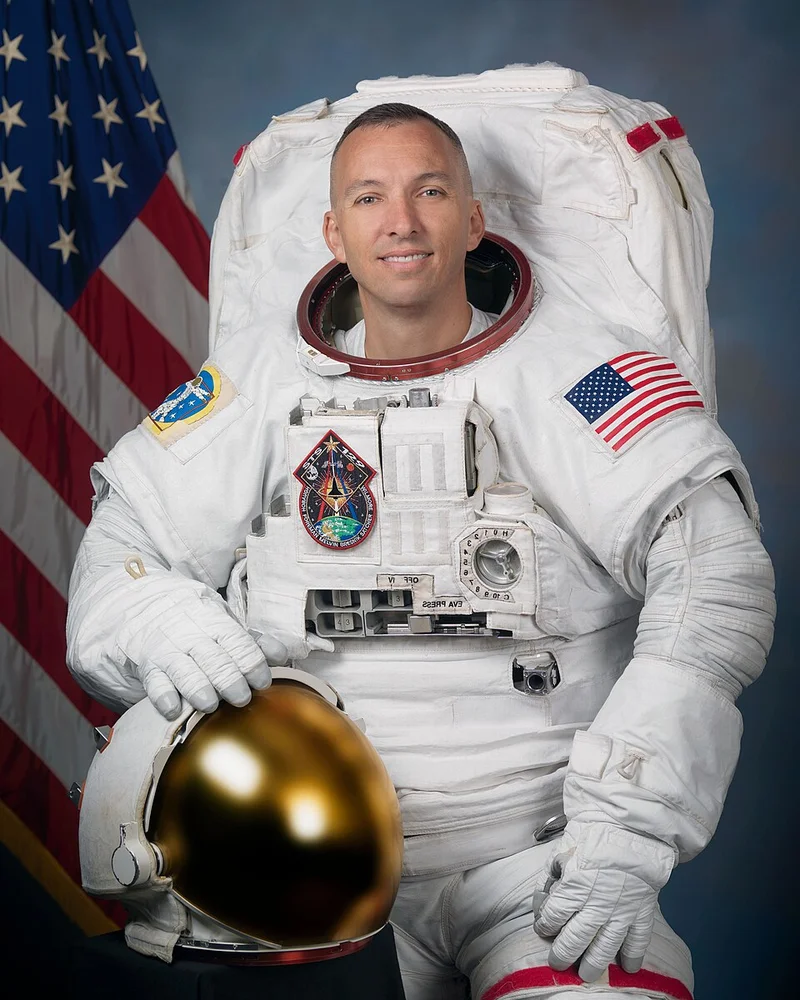
Randy Bresnik
Commander
ISS veteran, former Station Commander. Marine Corps pilot.

🇮🇹
Luca Parmitano
Pilot — ESA
2 ISS missions, Station Commander. First European on Artemis.
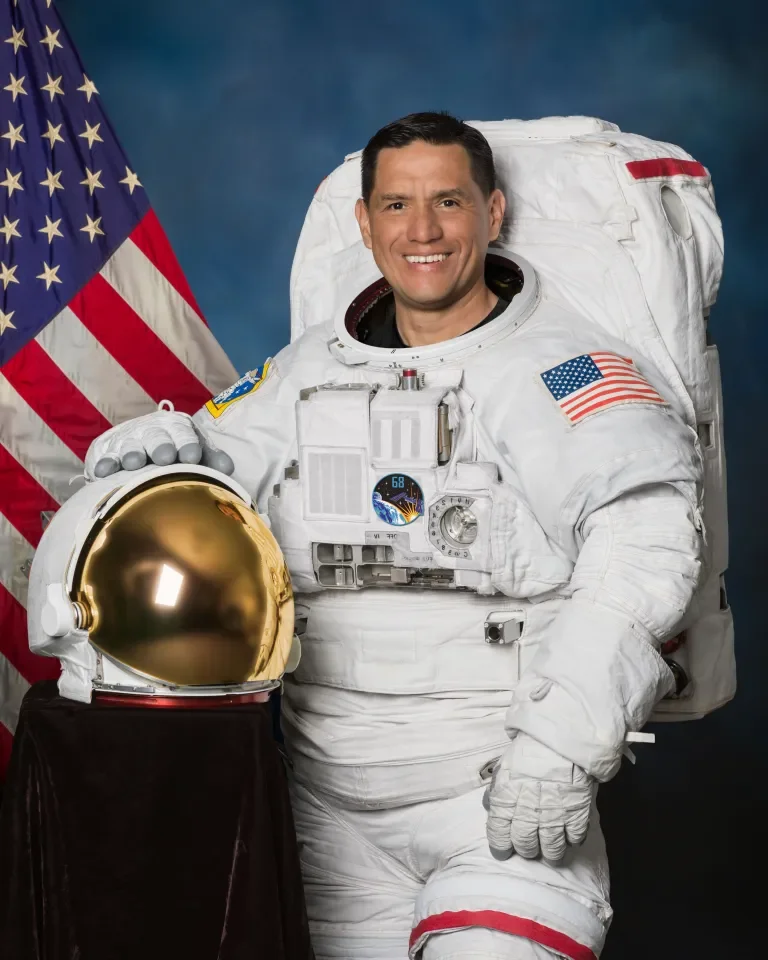
🇺🇸
Frank Rubio
Specialist
American record: 371 consecutive days in space (2022-2023).
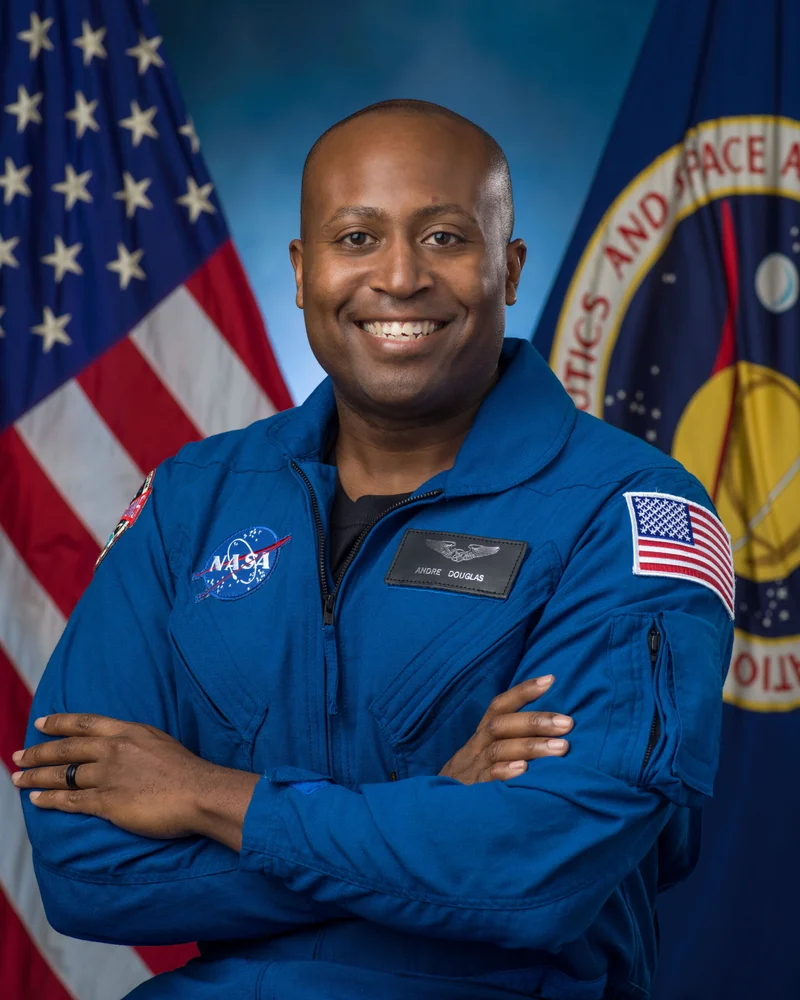
🇺🇸
Andre Douglas
Specialist
2021 graduate. Aerospace engineer. Artemis III would be his first flight.
The presence of Luca Parmitano confirms ESA's role in the Artemis program. The European agency provides the Orion service module and has been negotiating for years for seats for its astronauts in exchange for this contribution. Parmitano would be the first European to participate in an Artemis mission as a crew member.
The crew raises a remark: it is entirely male. This is notable for a program whose stated goal from the outset was to land the first woman on the Moon. Since Artemis III is an orbital test mission and not a lunar landing, NASA has not commented on this point. However, the absence of a woman in this crew does not go unnoticed.
Why This Mission is the Most Scrutinized of the Program
Two Landers, One Chance to Validate the Chain
Artemis III will test both landers simultaneously or in close sequence. This is the first time Orion will dock with these vehicles under real conditions. Neither the Starship HLS nor the Blue Moon has yet encountered an Orion in orbit. This encounter is the final qualification step before attempting the lunar descent.
The postponement of Artemis III to late 2027 is precisely because neither SpaceX nor Blue Origin were ready for this orbital rendezvous before that date. The announcement of the crew today signals that NASA considers the late 2027 timeline solid enough to name astronauts for it.
What This Changes for the Artemis Program
Naming a crew for Artemis III is a signal of confidence in the timeline. It does not guarantee that the flight will occur on the scheduled date, but it shows that NASA no longer views this mission as hypothetical. The astronauts will now train specifically for this mission profile: docking in low Earth orbit, transfer procedures, communication with the teams controlling Starship HLS and Blue Moon.
The logical next step, if Artemis III succeeds in late 2027, remains a lunar landing during Artemis IV in 2028. Our article on spacesuits and the Artemis 2028 timeline details the other conditions to be met before this first human return to the Moon.