Starship V3 Flight 12 Successful: Overview of the First Flight of the New Generation - Space Tales
Starship V3 Flight 12 successful on May 22, 2026: first flight of the new generation, 65-minute suborbital test, satellite deployment, and booster recovery. Complete overview.
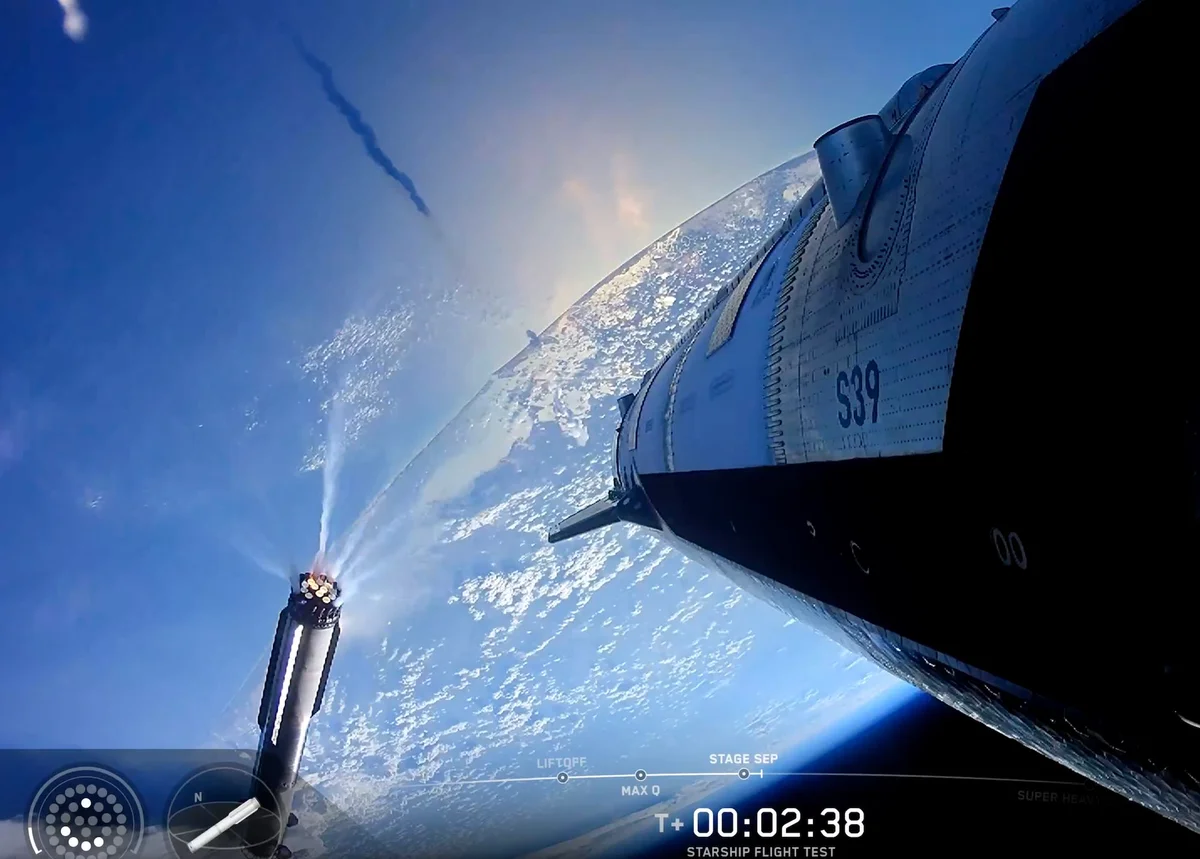
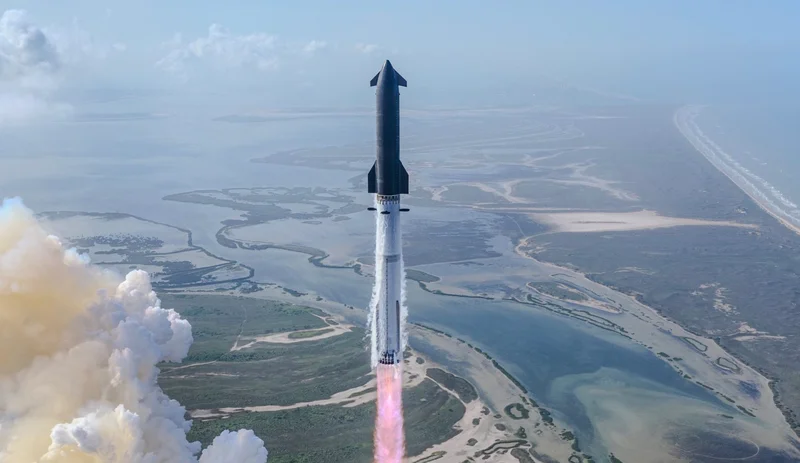
The Starship V3 Flight 12 lifted off on May 22, 2026, at 22:30 UTC from Starbase in Texas. After a last-minute delay the day before due to a technical issue with the tower, SpaceX's new generation launcher successfully completed its first suborbital test. Sixty-five minutes of flight, satellite deployment, atmospheric re-entry, and booster recovery. A success, with some caveats.
Starship V3 Flight 12: Mission Overview
Mission Profile
Launcher
Starship V3 (Super Heavy + Starship) — 12th overall test flight
Launch
May 22, 2026, at 22:30 UTC from Starbase, Texas
Flight Profile
Suborbital — approximately 65 minutes of flight
Payloads
20 Starlink simulators + 2 microsatellites deployed in flight
Booster
Recovered by the Mechazilla tower at Starbase
Vehicle
Successful atmospheric re-entry and landing
Delay J-1
May 21: countdown halted due to technical issue with the tower
The Delay on May 21: A Tower Issue, Not a Rocket Issue
The first launch attempt on May 21 was halted in the final minutes of the countdown. The problem originated from the tower's retention system, not the rocket itself. SpaceX confirmed that the rocket and its payload were intact. The following day, after checks and corrections, the flight proceeded without incident.
This type of last-minute delay is common in test programs. SpaceX has been managing it for years with the Falcon 9: better an extra night than a problem during flight. The rocket remained on the launch pad, propellant onboard, without requiring a complete drain.
What Flight 12 Demonstrated
Key Milestones Validated
- ✓ Launch of the Starship V3 — first time for this model
- ✓ Separation of Super Heavy / Starship stages
- ✓ Deployment of 20 Starlink simulators and 2 microsatellites in flight
- ✓ Atmospheric re-entry of the Starship vehicle
- ✓ Landing of the vehicle
- ✓ Recovery of the Super Heavy booster by Mechazilla
- ⚠ Several anomalies noted during the flight, currently under analysis
The deployment of payloads is a first for a Starship test. In previous flights, the vehicle carried nothing. Here, 20 next-generation Starlink satellite simulators were ejected into low orbit, along with two microsatellites. This step is directly related to the future commercial use of the launcher for the Starlink V2 constellation.
Why Deploy Simulators Instead of Real Satellites?
The Starlink simulators have the same mass and dimensions as real satellites, but without electronics or antennas. They allow testing of the deployment mechanics, vehicle orientation, and ejection accuracy, without risking expensive hardware during a test flight. If something goes wrong, we lose metal blocks, not $500,000 satellites.
The Anomalies: Success Does Not Mean Perfect
Numerama notes that the flight was not without hiccups. Several anomalies were observed during the mission, although SpaceX had not yet specified their exact nature at the time of publication. This is normal in a test program: each flight collects data, reveals points of failure, and informs corrections for the next flight.
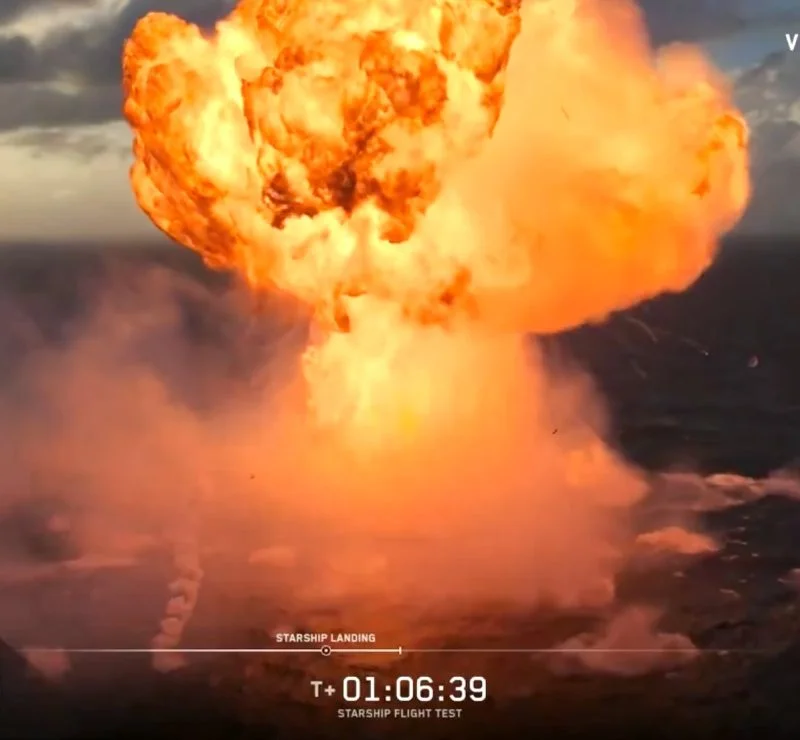
The CNET headline "Watch SpaceX Starship Flight Test 12 End With a Bang" also suggests that the end of the flight presented something spectacular. In SpaceX's vocabulary, "rapid unscheduled disassembly" is often preferred to "explosion." Regardless of the wording, the data recorded during those seconds is invaluable for engineers.
What This Means for Artemis
The Starship HLS, the lunar lander selected by NASA for the Artemis program, is a modified version of this same Starship. Each test flight of the V3 advances the qualification of the system for crewed lunar flight. The delay of Artemis III to late 2027 is directly related to the qualification delays of the Starship HLS. A successful Flight 12, even with caveats, reduces uncertainty.
The Future of the Starship Program
SpaceX will analyze the anomalies from Flight 12 before setting a date for Flight 13. The short-term goal remains the demonstration of in-orbit refueling, a crucial step for sending the Starship HLS to the Moon. Without this validated capability, Artemis III cannot take place. Our in-depth article on the Starship program details the entire roadmap.