
Electric Occasion: Batteries Finally Reassure
A Swedish study on 8,200 used electric vehicles reveals an average battery health of 93.7%.
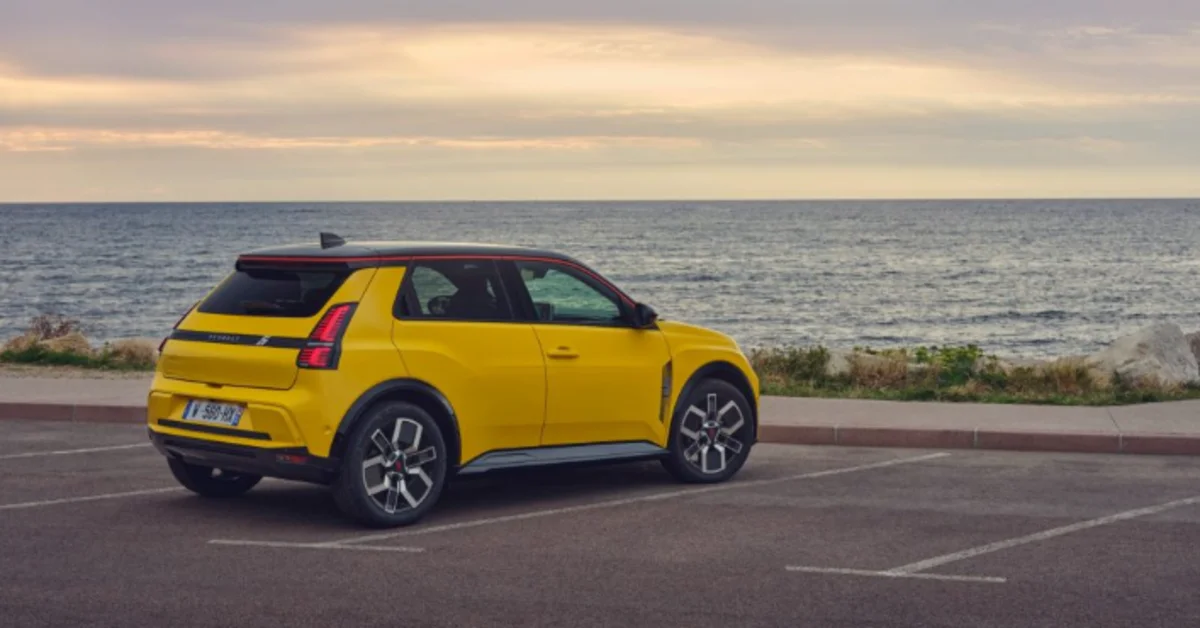
A Swedish study on 8,200 used electric vehicles reveals an average battery health of 93.7%.
The used electric vehicle market continues to mature, but a key concern remains at the forefront of buyers' minds: the actual condition of the battery. Long considered the main risk factor when acquiring a second-hand electric vehicle, this essential component is now subject to more precise analyses. A comprehensive study conducted in Sweden provides new insights and could help change the perception of the used market.
Conducted by Riddermark Bil using the Aviloo Flash test, this analysis focused on 8,200 used electric vehicles. The results show generally limited degradation of the batteries, even on models that have already traveled several tens of thousands of kilometers. The data collected suggests that the batteries of modern electric vehicles retain a significant portion of their capacity over time, contrary to a common comparison made with smartphones and their aging batteries.
This study comes at a time when the automotive market continues its transition towards electrification. For consumers, the question of residual value, range, and battery performance remains a decisive criterion in the choice of a used electric vehicle.
Battery Health Largely Preserved
The results of the study show an overall reassuring situation. The average state of health of the batteries, also known as SoH (State of Health), reaches 93.7% of the original capacity. Of the 8,200 vehicles tested, only two cars displayed a level below 70%.
The majority of the vehicles inspected retain between 90% and 95% of their initial capacity. About one-third of the analyzed models even exceed 95% remaining capacity. More significantly, nine out of ten vehicles passed the checks without revealing any major battery-related issues.
The median mileage observed in the sample reaches 69,885 kilometers. Despite this already significant use, degradation remains moderate. Vehicles averaging more than 80,000 kilometers also show relatively high health levels.
These results provide important insights for potential buyers. They suggest that the loss of battery capacity is not necessarily as rapid as some consumers fear. For the used car market, this data could enhance confidence in electric vehicles and improve their attractiveness compared to traditional combustion models.
Kia, Tesla, and Generalists Show Strong Results
The study also highlights some differences between models and manufacturers. Kia achieves the best results in the analyzed sample. The Niro EV shows an average battery health of 98.1% over 82 tests conducted. The EV6 reaches 96.4% over 242 analyses, while the e-Niro records 96.2% over 207 vehicles.
Tesla also confirms its strength with much larger volumes. The Model Y equipped with a 60.5 kWh battery retains an average of 94.7% of its capacity. The version with a 78.8 kWh battery shows 93.8% over a particularly substantial sample of 1,127 vehicles.
The Model 3 also presents similar results with averages of 94.4% and 93.6% depending on the battery configurations observed. These figures illustrate a certain stability in battery performance across the American manufacturer's models.
On the European manufacturer side, the results remain encouraging as well. The Volkswagen ID.3 reaches 94%, while the ID.4 shows 93.6%. Without setting records, these models demonstrate a consistency appreciated by a clientele primarily seeking reliability and predictability in operating costs.
The study also cites several premium and family models whose results converge towards the same conclusion. The Audi Q4 e-tron shows 94.5%, the BMW i4 reaches 95.6%, the Volvo XC40 obtains 95.3%, and the Skoda Enyaq iV records 93.5%. These data indicate that recent electric vehicles, whether belonging to the mainstream or premium segment, generally retain a significant portion of their energy performance.
Battery Diagnostics Become an Essential Criterion
However, the authors of the study emphasize that it would be unwise to purchase any used electric vehicle without prior verification. The actual state of health of the battery must now be considered as a full valuation criterion.
Two identical vehicles, displaying the same mileage, trim, and year of registration, can show significant differences in their battery. Several factors can influence this evolution, including frequent use of fast charging, climatic conditions, storage habits with a battery kept at full charge, or driving style.
In this context, battery health data becomes as important as maintenance history or mileage. For buyers lacking a transparent history, conducting an independent test appears as a logical step rather than a mere precaution.
The battery remains the most expensive component of an electric vehicle. Its condition directly influences range, resale value, and driving experience. A vehicle showing a capacity between 93% and 95% can represent an interesting opportunity in the used market, provided this data is based on a verified check and not just a commercial statement.
This Swedish study thus contributes to a growing consensus in the automotive industry: the batteries of modern electric vehicles seem to withstand the test of time and mileage better than many had imagined just a few years ago.
Our Opinion, by leblogauto.com
This study provides concrete data on a topic that remains central to the development of the electric used market. The results show generally limited degradation of batteries, even on vehicles that have already traveled several tens of thousands of kilometers. They remind us, however, that the state of health of the battery must be evaluated individually before any purchase. Battery diagnostics could gradually become as important a criterion as mileage or maintenance history in the valuation of a used electric vehicle.
Credit illustration: Leblogauto.com.