What is ESA: The European Space Agency Explained - Space Tales
The ESA in detail: role, funding, member states, and major missions. Understand everything about the European Space Agency, a key partner in the Artemis program and the International Space Station.
When you read "ESA" in an article about space, you know it refers to the European Space Agency. But concretely, what is it, who funds it, and what are its missions for?
The European Space Agency is one of the most important scientific organizations in the world. It manages satellites that monitor the climate, probes that explore Mars and Jupiter, and it is an indispensable partner in NASA's Artemis program. Here’s everything you need to know.
1975 Year of ESA's creation
23 Current member states
€7.8 billion Budget for 2024, up 10% from 2023
~3,000 Employees spread across European technical centers
ESA: Mission and Official Mandate
A peaceful intergovernmental organization
Founded in 1975, ESA is neither an agency of the European Union nor a national agency. It is an intergovernmental organization established by treaty, headquartered in Paris, that brings together sovereign states around a common space program. Its mandate: to promote European cooperation in space research and technology for exclusively peaceful purposes.
This distinction deserves clarification, as confusion is common. The CNES is the French national space agency: it defines France's priorities and contributes to ESA, but it is not subordinate to it. The European Commission, on the other hand, funds certain programs through the EU (notably Copernicus and Galileo), but it is ESA that technically implements them. Three distinct levels, three different logics, coexisting without overlapping.
ESA, CNES, and the European Commission: Who Does What?
The CNES (France), DLR (Germany), or ASI (Italy) are national agencies. They define their country’s priorities and contribute to ESA. The ESA is the common structure that designs and manages shared programs. The European Commission funds civil and commercial programs (Copernicus for Earth observation, Galileo for navigation) and delegates technical management to ESA.
Member States and ESA Centers
23 countries, several specialized centers in Europe
ESA currently has 23 member states, along with associated states (Slovenia, Latvia, Lithuania) and Canada as a cooperation partner. The United Kingdom remains a member despite Brexit, as membership in ESA is unrelated to EU membership.
Rather than a large central campus, ESA has distributed its expertise across several technical centers throughout Europe. This choice also reflects the political balance among contributing countries: each hosts a part of the collective intelligence.
ESTEC
Noordwijk, Netherlands
Main technical center, satellite design and system testing
ESOC
Darmstadt, Germany
Mission control, satellite operations in flight
ESRIN
Frascati, Italy
Information center, Earth observation, data archives
EAC
Cologne, Germany
European Astronaut Center, training and selection
ESAC
Madrid, Spain
Space science center, astronomical data archives
CNES / CSG
Kourou, French Guiana
European spaceport, launches of Ariane, Vega, and Soyuz
How ESA is Funded
National contributions and the principle of geographical return
ESA's funding is based on two types of programs. Mandatory programs cover science, the general budget, and the foundations of Earth observation. All member states participate in these, proportionally to their gross national income.
Optional programs operate differently. Each country chooses where to invest and to what extent: launchers, navigation, telecommunications, human exploration. Thus, France may invest more in launchers, while Germany focuses on exploration. This gives the system a certain political flexibility.
What makes it politically viable is the geographical return. ESA redistributes industrial contracts so that each country receives, through its companies, an amount roughly equivalent to its contribution. Thus, a state that finances 15% of the budget receives about 15% of the contracts. Without this mechanism, it would be difficult to imagine governments voting for such significant long-term space budgets.
2024 Budget: Major Contributors
The 2024 budget reaches €7.8 billion, a 10% increase year-on-year. The European Union contributes about 23% of this amount, mainly through Copernicus and Galileo. Member states fund the remainder. Germany and France lead with €1.17 billion and €1.05 billion, respectively.
🇩🇪 Germany
€1.17 billion
🇫🇷 France
€1.05 billion
🇮🇹 Italy
€0.88 billion
🇬🇧 United Kingdom
€0.45 billion
🌍 Other member states
remaining
At the 2025 ministerial meeting, member states made an unprecedented commitment: €22 billion for the period 2026-2028, a 32% increase compared to the previous cycle. The timing is not neutral. NASA is facing the most severe budget cuts in its recent history. Europe has chosen to accelerate where the United States is slowing down.
Major Families of ESA Missions
From Earth observation to solar system exploration
Earth Observation
Copernicus and the Sentinels
A constellation of satellites that continuously monitors the climate, forests, oceans, natural disasters, and urbanization. The data is freely accessible to all, making it one of the most widely used observation programs in the world.
Navigation
Galileo
The European GPS. Independent of the American system, it offers superior accuracy in civilian areas. Operational since 2016, its signal is already integrated into most smartphones sold in Europe.
Solar System Exploration
Mars Express, Juice, BepiColombo
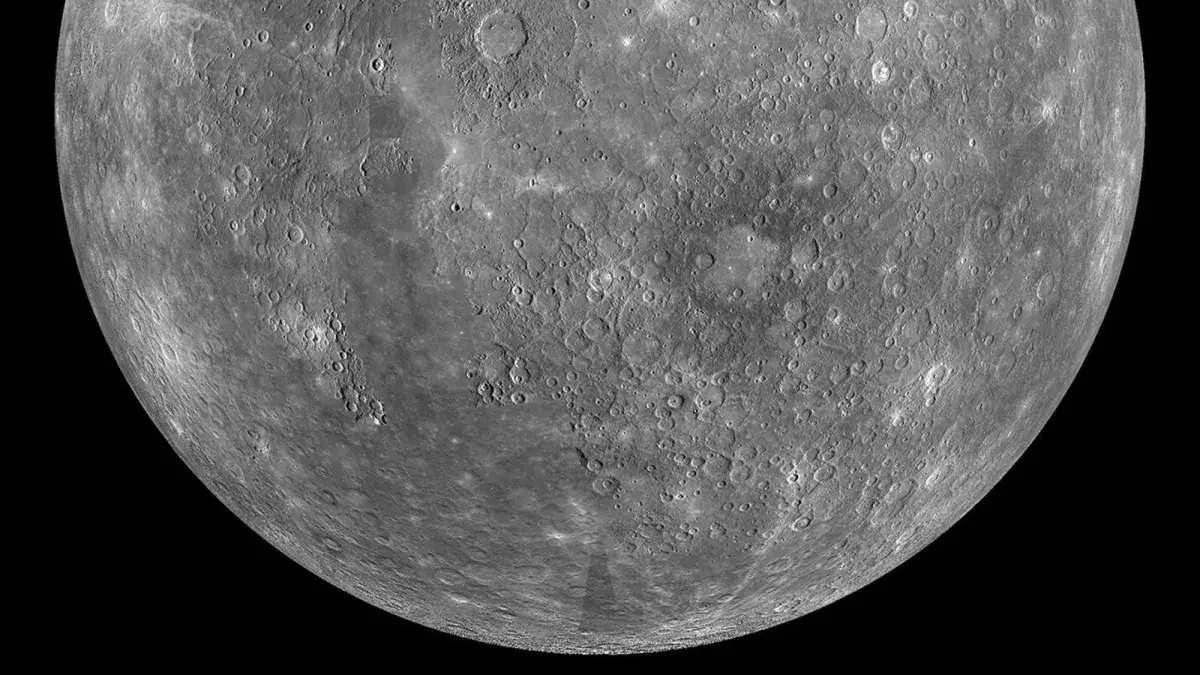
Mars Express has been orbiting Mars since 2003. Juice is on its way to Jupiter. BepiColombo is heading to Mercury. Rosetta orbited a comet and landed a probe on it.
Astronomy and Astrophysics
Gaia, XMM-Newton, Euclid
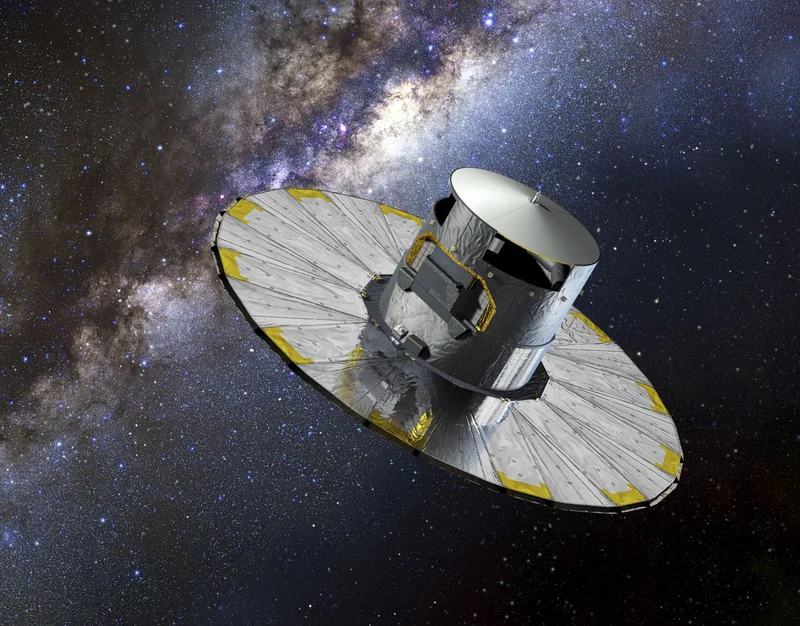
Gaia maps over a billion stars in the Milky Way with unprecedented precision. Euclid probes dark energy. XMM-Newton has been observing the universe in X-rays since 1999.
Launchers
Ariane 6, Vega-C
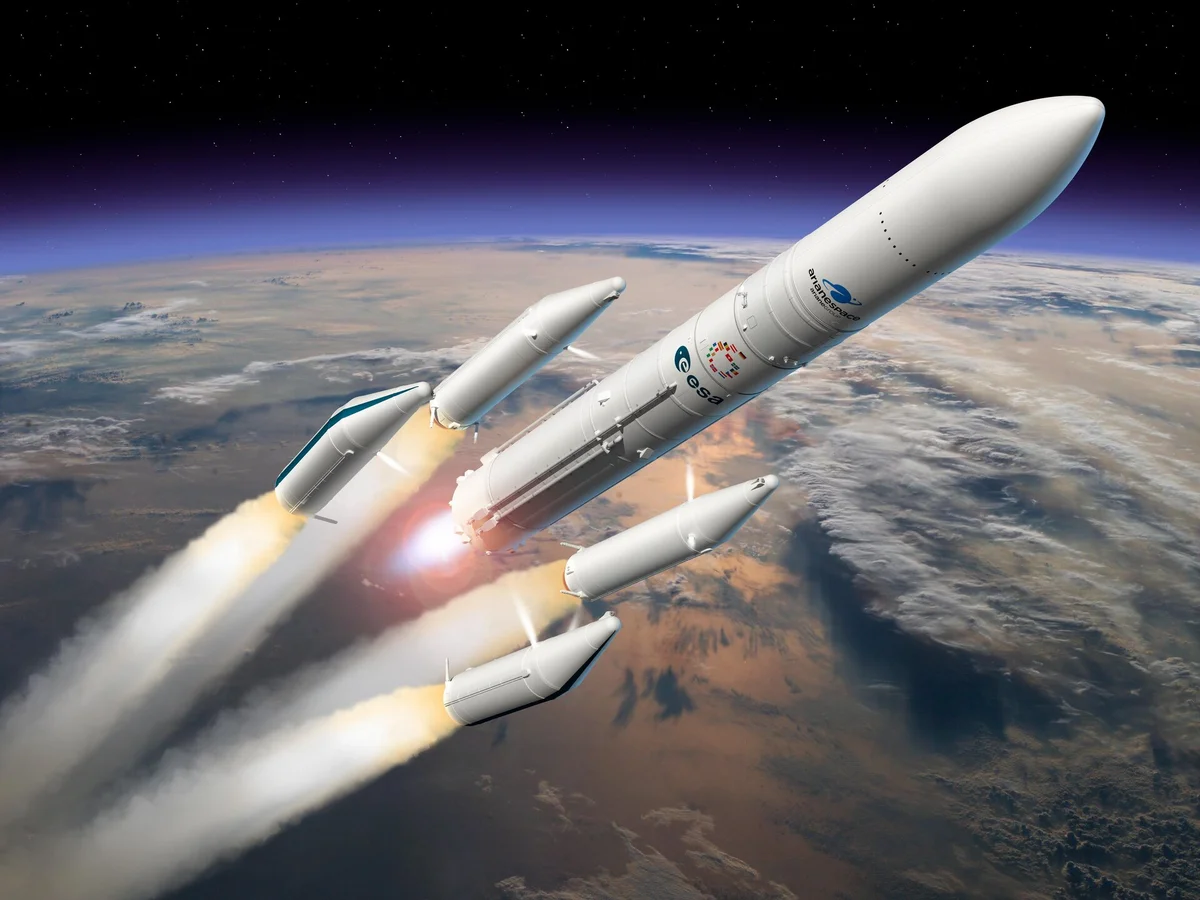
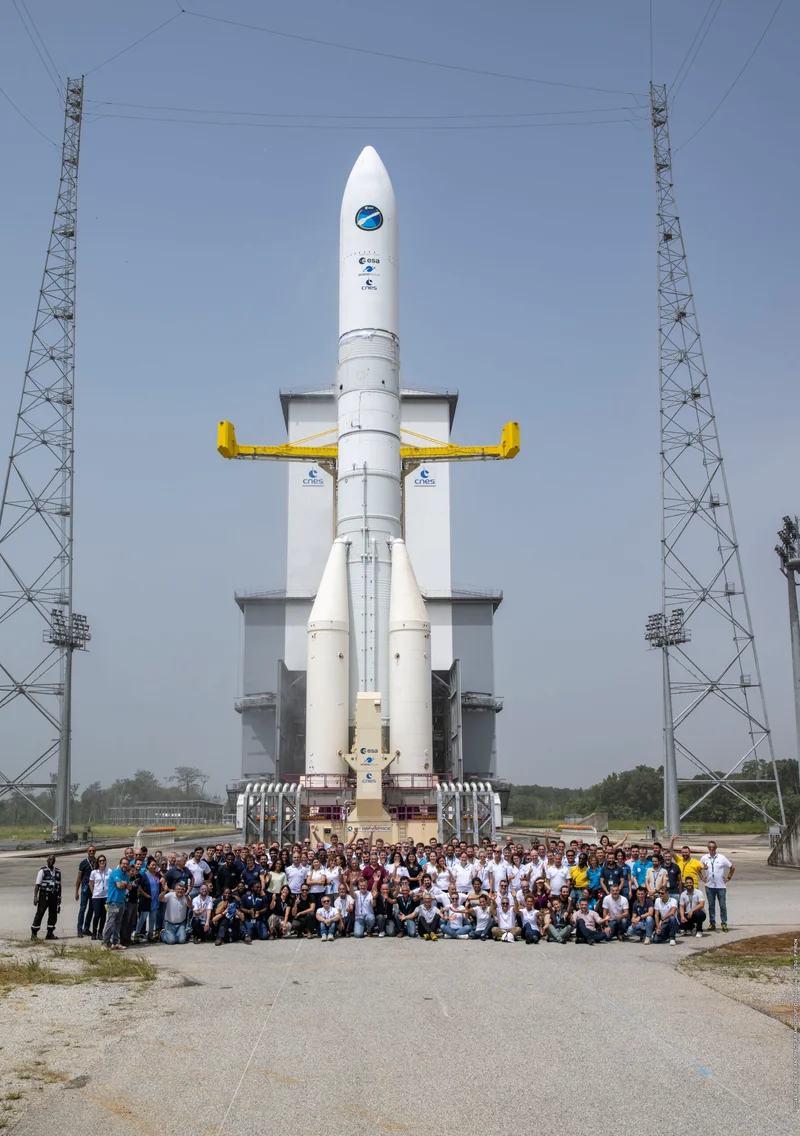
ESA develops and finances the launchers that allow Europe to access space without depending on another country. Ariane 6 ensures heavy launches from the spaceport in Kourou, French Guiana.
Manned Flight and ISS
Columbus, ATV, Orion Service Module
ESA manages the Columbus module on the International Space Station. It also provides the European service module for the Orion spacecraft for the Artemis program: without it, Orion cannot reach the Moon.
ESA and the Artemis Program: An Indispensable Partner
The European Service Module: Without it, Orion does not launch to the Moon
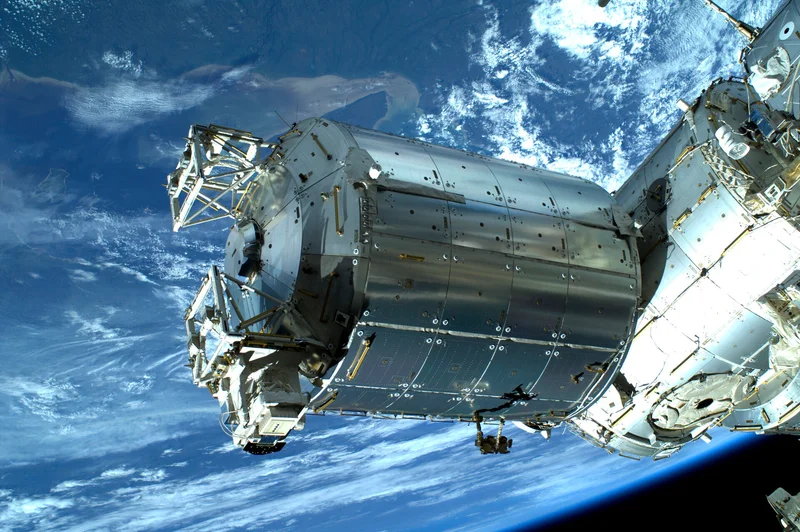
ESA's role in the return of humans to the Moon is more central than often perceived. The agency provides the European Service Module (ESM) for the Orion spacecraft: propulsion, power supply, thermal control. In practical terms, without this module, Orion does not leave Earth orbit.
During Artemis II in April 2026, the European service module performed a remarkably precise translunar injection. Indeed, several planned trajectory corrections were able to be canceled. This is not a technical detail: it is the argument ESA uses today to claim seats aboard for its astronauts during Artemis IV and subsequent missions. We have proven our usefulness. The bill is settled in seats.
Major ESA and NASA Collaborations
The relationship between ESA and NASA goes beyond the Artemis program alone. The two agencies have collaborated for decades on projects that have marked the history of astronomy and exploration.
Manned Exploration
Orion Service Module (Artemis)
ESA provides the propulsion core of the Orion spacecraft. Without the European service module, there is no crewed lunar mission for NASA.
Space Astronomy
NirSpec and MIRI of the James Webb
ESA provided two key instruments for the James Webb Space Telescope: the NIRSpec spectrograph and the MIRI infrared camera, responsible for the most detailed images ever obtained.
Space Astronomy
Hubble: 15% for ESA
In exchange for its contribution to the launch and maintenance of Hubble, ESA has 15% of the telescope's observation time for its scientists.
Planetary Exploration
Cassini-Huygens
Joint NASA/ESA/ASI mission. The Huygens probe, provided by ESA, landed on Titan in 2005 and transmitted the first images of the surface of this moon of Saturn.
Solar Physics
Solar Orbiter
Joint mission to study the Sun closer than any probe before. ESA leads the mission, NASA provided the launcher and some instruments.
Astrophysics (Future)
LISA (2035)
Space gravitational wave detector planned for 2035. A collaboration between ESA and NASA that will open a completely new observational window on the universe.
Faces of ESA: Iconic Astronauts
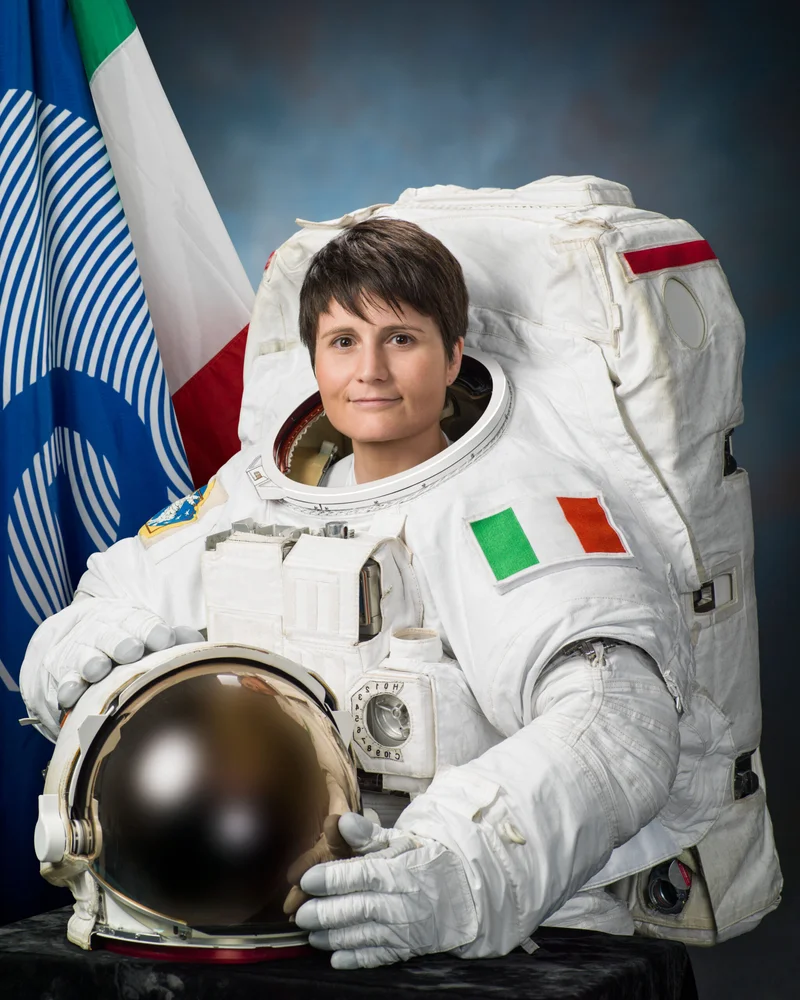
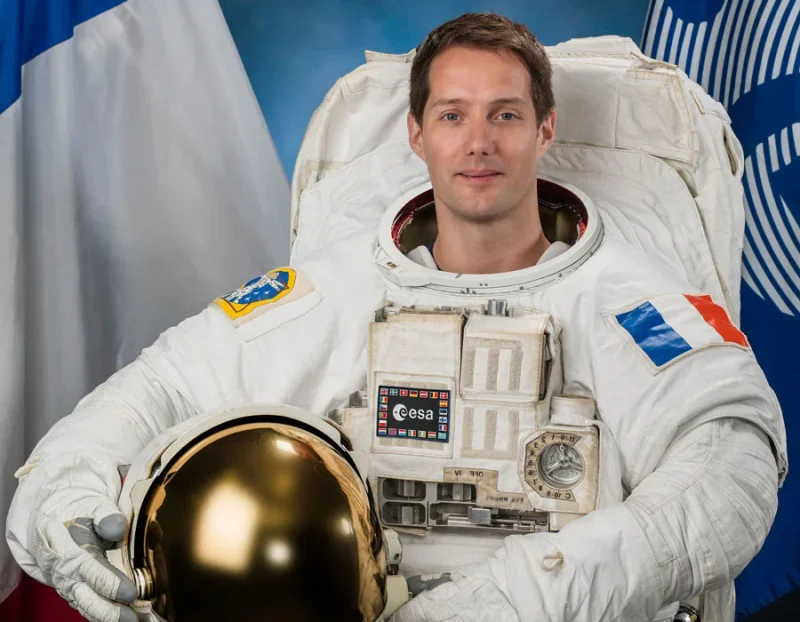
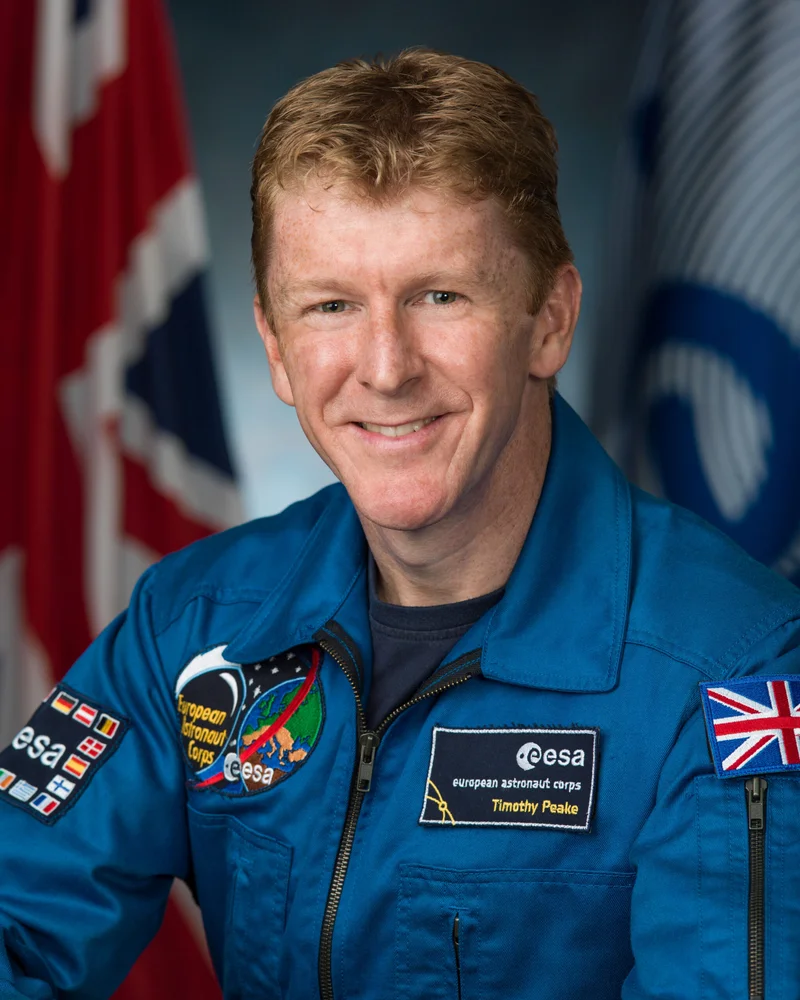
Behind the missions and budgets, there are men and women who have embodied ESA in space. Several European astronauts have made history on the International Space Station.
🇮🇹
Samantha Cristoforetti
199 consecutive days
1st European female commander of the ISS
🇫🇷
Thomas Pesquet
196 days in space
Commander of the ISS in 2021
🇬🇧
Tim Peake
186 days in space
London marathon from the ISS in 3h35
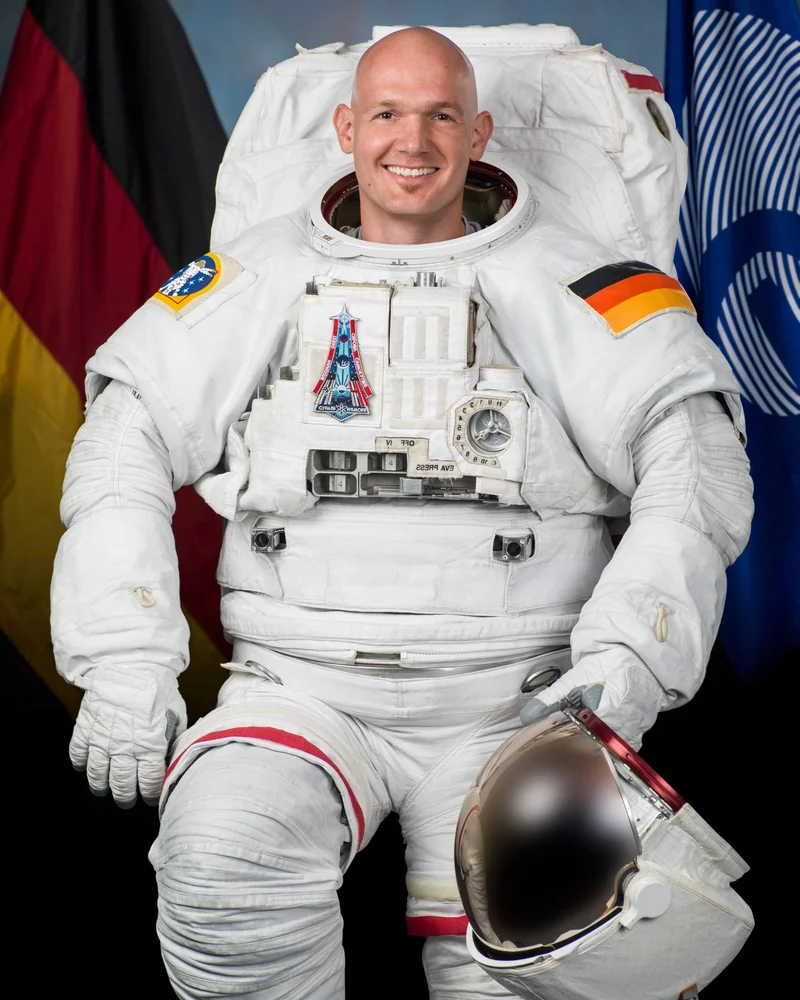
🇩🇪
Alexander Gerst
166 days in space
Commander of the ISS in 2018
The Challenge of European Strategic Autonomy
The record budget voted at the 2025 ministerial meeting reflects something deeper than mere enthusiasm for science. Indeed, Europe is realizing that access to space dependent on a single partner is a vulnerability.
Ariane 6 to avoid dependence on American or Russian launchers. Galileo to avoid dependence on GPS. Copernicus to have its own eyes on Earth. Thus, space is no longer a domain reserved for scientists and engineers. It has become a matter of sovereignty.
Sources
- ESA – All missions of the European Space Agency
- Wikipedia – European Space Agency
- Payload Space – ESA Budget 2024: €7.8 billion
- Space Policy Online – €22 billion committed for 2026-2028
- Space.com – Record ESA budget while NASA faces cuts
- Planetary Society – ESA 2024 funding by country